


A planner app is a productivity tool that helps you keep track of tasks, projects, meetings, and deadlines.
In order to be effective, it needs to be intuitive and easy to use. To find the best one, you should be aware of the features that make it stand out.
For example, a planner app should have a reminder feature to alert you when it’s time to execute your plan. It should also have smart filters that help you navigate your lists by the due date and assignee.
1. Planzer.io
The award for best overall planner goes to Planzer.io. It’s a daily planner that combines your tasks, calendar, time tracking and the tools you already use in one place. Every morning, Plan my day walks you through a short guided routine: a briefing, then picking tasks from your overdue list and backlog, then scheduling them, and finally starting to focus.
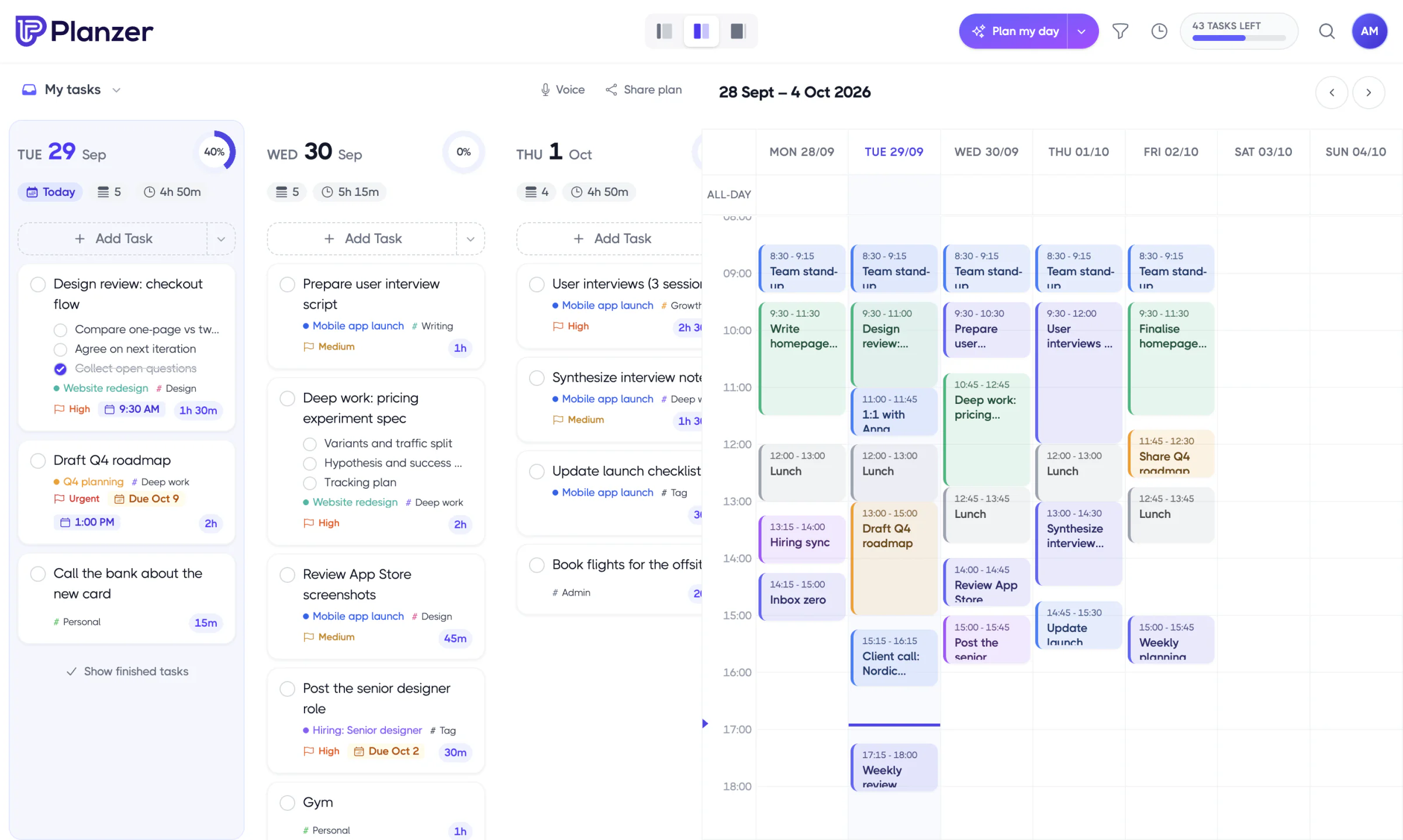
You can time block by dragging tasks into Google Calendar, Outlook Calendar or iCloud Calendar, or let “Plan it for me” fit them into the free slots between your meetings. There’s also a focus timer with 15, 25, 45 or 60-minute sessions, time tracking with estimated vs. actual time, and a “Wind down the day” shutdown ritual to close the day. Planzer.io pulls in tasks from 16 integrations, including Asana, ClickUp, Notion, Todoist, Trello, Jira and Slack.
The best way to find out if it fits you is to try it. The free plan covers 100 tasks and all integrations, you don’t need a credit card to sign up, and Pro is $10/month, or $8/month billed yearly, for unlimited tasks, AI features and file attachments. Planzer.io is available on the web, iPhone/iPad, Apple Watch, Android and as desktop apps for Mac, Windows and Linux, with live sync across your devices and offline mode. It’s built for personal planning, so if you need team collaboration, pick a team tool instead.
2. Sunsama
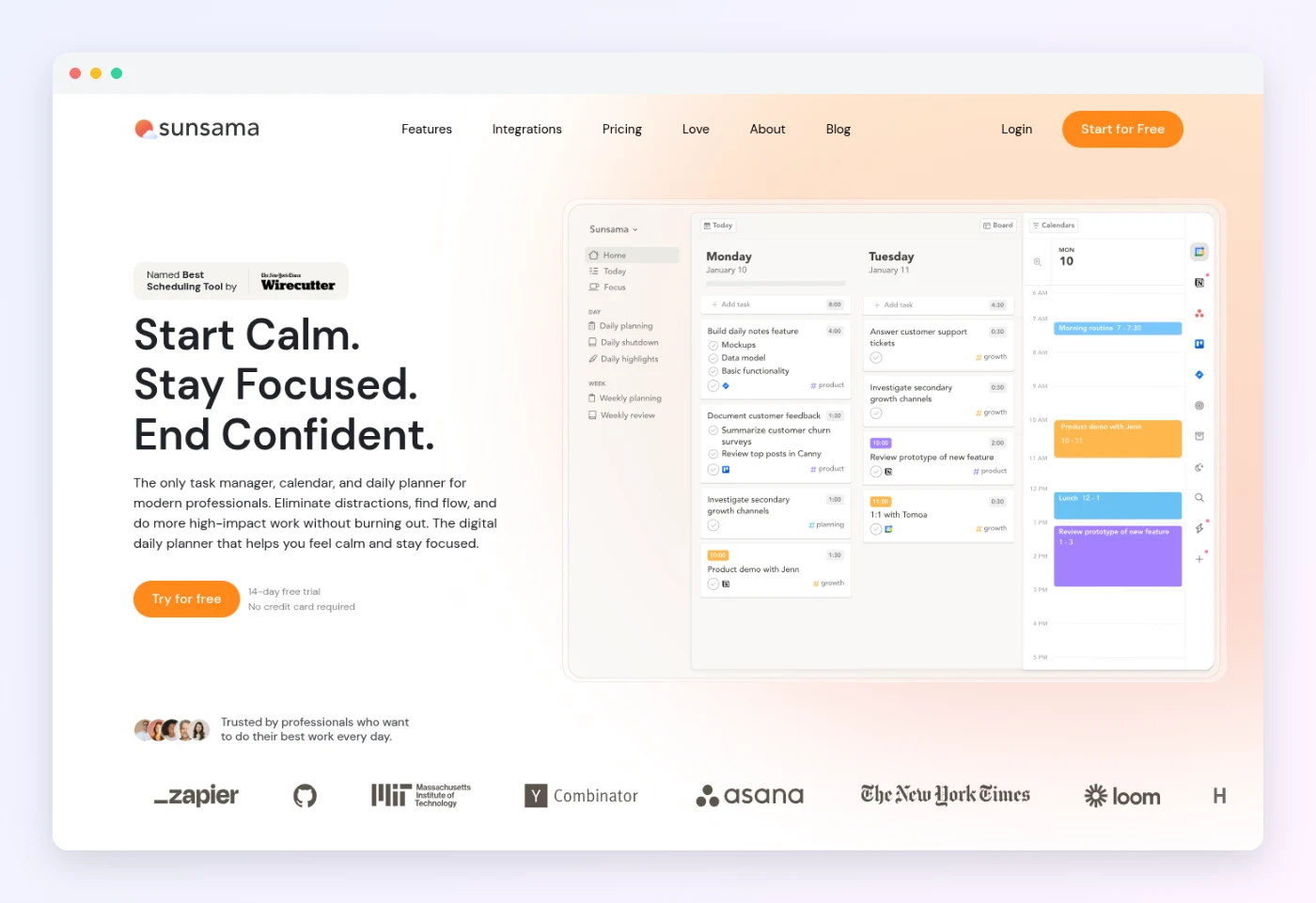
Sunsama is a productivity tool that helps you plan your day and get the most out of it. It comes with a variety of features that can help you manage your time more effectively, including Focus mode, Pomodoro-style timers, and more.
Unlike most daily planners, Sunsama walks you through a guided workflow that helps you build a streamlined list of goals and tasks for your day. It also syncs with your calendar and can pull in tasks from multiple platforms, including Trello, Gmail, and more.
It can also track your actual time spent on tasks, so you can make better plans for the future. Lastly, it helps you set a realistic workload for each day.
This can be really helpful when you’re trying to stay on top of your schedule. For example, if you’ve planned more work than fits in your day, you can defer tasks until tomorrow or next week. Sunsama has no free plan: after a 14-day free trial, it costs $22/month, or $17/month billed yearly.
3. Weekplan.net

Week Plan is a task management application that helps entrepreneurs and teams stay focused on their goals. Its features include quadrant view, high impact tasks (HITs), goals, and a weekly view.
The app also integrates a Pomodoro timer to help you track your progress while encouraging you to cycle through 25 minutes of intense focus and 5 minutes of rest. This way, you can make sure that you are always on track to meet your deadlines.
Another great feature of Week Plan is that, on the paid Ultimate plan, it can be synchronized with Google Calendar and Outlook. This makes it easier for teams to plan their schedules.
In addition, Week Plan allows team members to share their weekly tasks, which helps them stay on track. They can also set recurring tasks and have them automatically added to their schedules.
Week Plan is available on the web, iOS, Android, Windows and macOS. The free Lite plan covers the basic planner and HITs, and the Ultimate plan is $10.83/month, or $8.67/month billed yearly.
4. Google Calendar
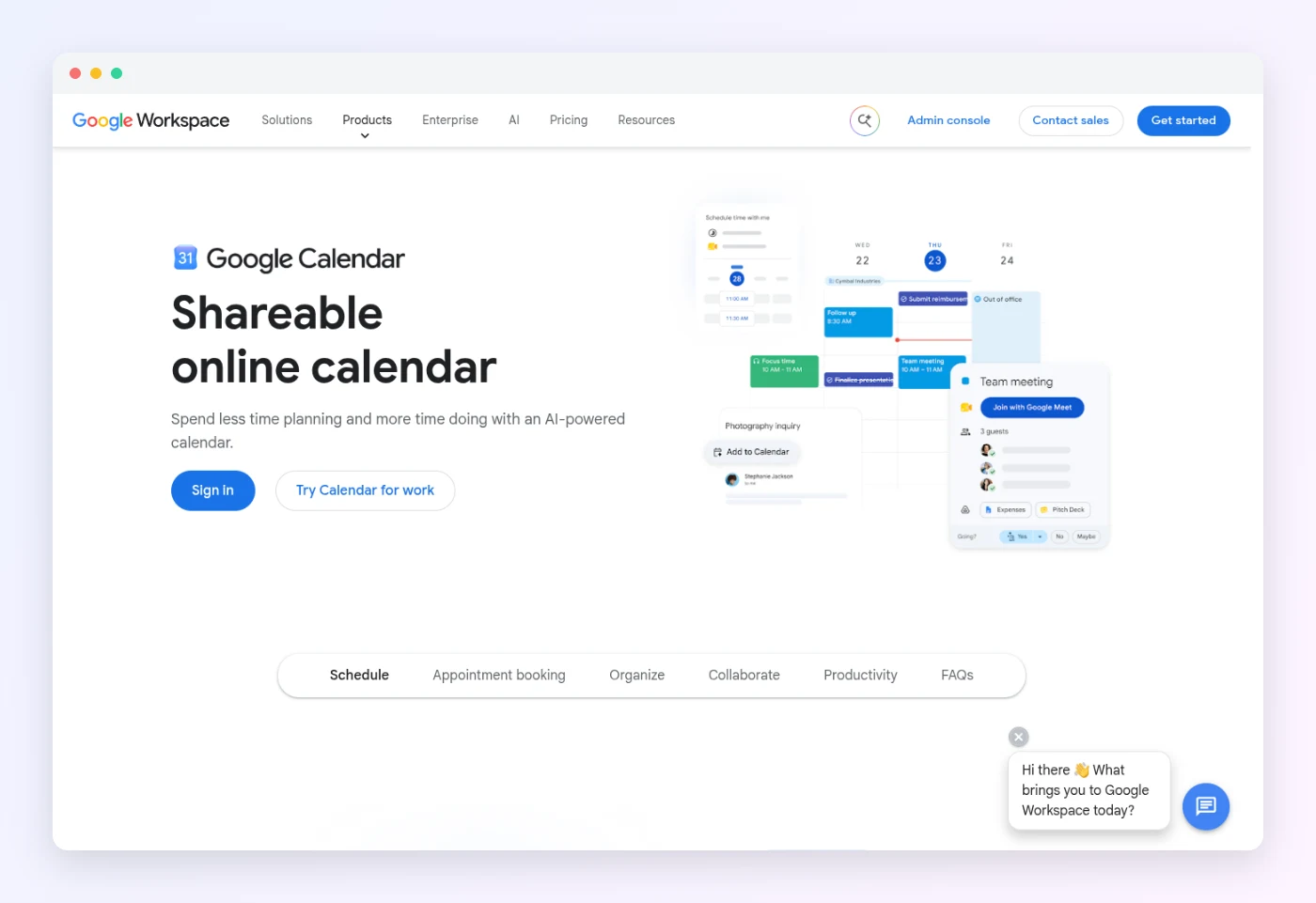
Google Calendar is a powerful and free way to organize your schedule. It helps you remember important dates, coordinate meetings with coworkers, and share your events with others.
One of its most useful features is the ability to change the display of your calendar. You can switch between day, week, month and year views, or a simple schedule list, from the view menu at the top. It’s free with a Google account.
Another handy feature is how quickly you can add events: click an empty time slot, type a title, and it’s on your calendar. You can also control notifications in the settings, so you aren’t interrupted by pop-up alerts while you work.
5. Trello
Trello is a popular board app that works well for organizing your daily tasks. It allows you to create lists and then divide up those tasks into smaller parts which is a great way to make sure that you are not overwhelmed by the amount of work that needs to be done on any given day.
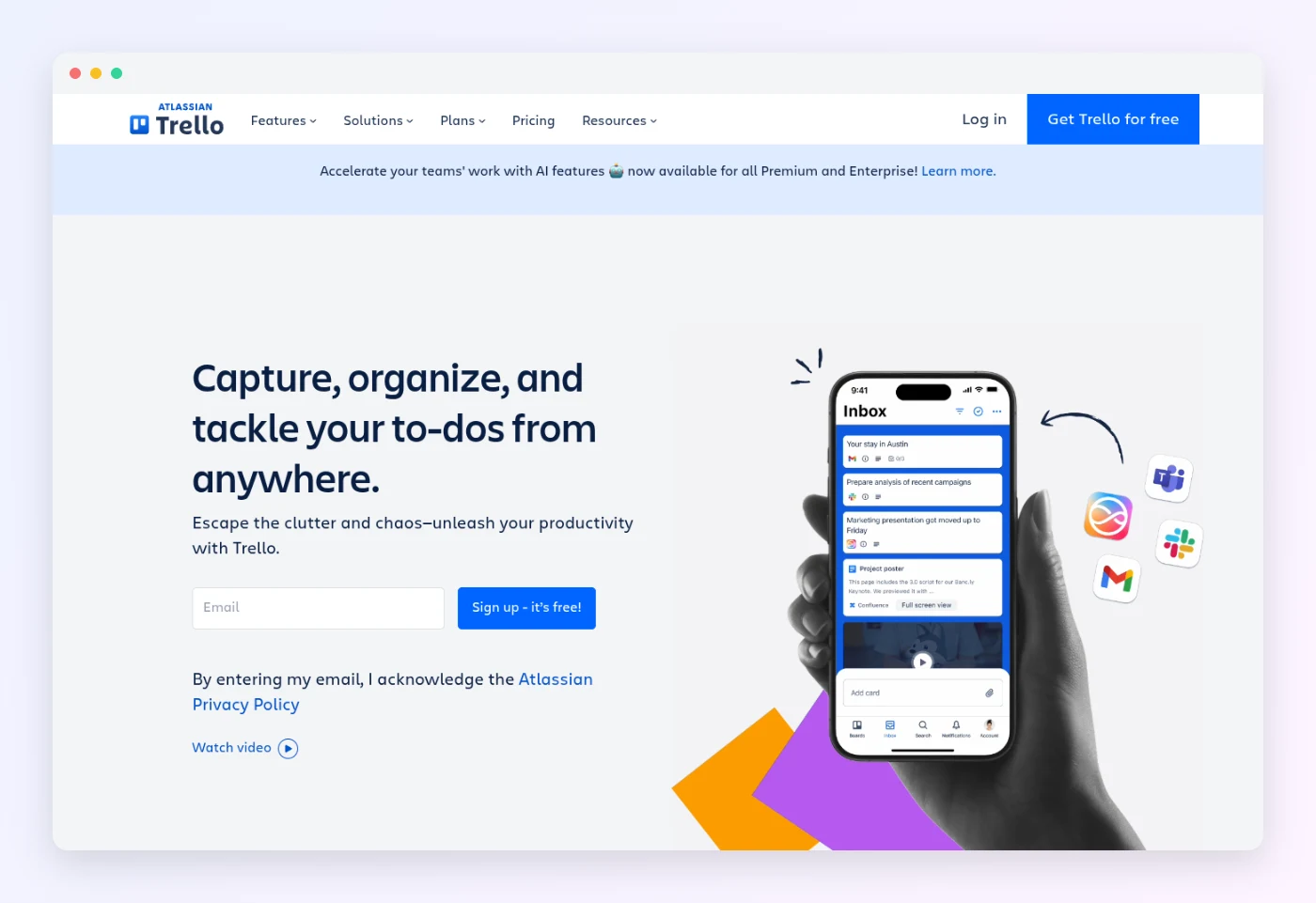
It also has a very simple interface that makes it easy for even non-technical people to use the tool. The free plan covers up to 10 collaborators per Workspace, and the Standard plan is $5 per user per month billed yearly, or $6 monthly.
There are a lot of different ways to organize your work on Trello, including labels and filters. These allow you to organize your cards by color or label name so that you can quickly find what you are looking for.
You can even add due dates to your cards so that you can keep track of when a task needs to be completed. They appear as a small badge on the card that changes color depending on how close to the date it is.
6. Things 3
Things 3 is a list-based app that makes it easy to plan your day and manage projects. It fits the Getting Things Done (GTD) method well: you capture everything in the inbox, then sort tasks into projects and areas.
It has all the features you need to stay organized and get stuff done, including reminders, repeaters, and a special place for your evening plans. You can also add notes, tags, and schedules to each item.
One of the most appealing parts about Things 3 is the “magic plus button.” You can tap it and drag it around to create new tasks. You can put them in your inbox, a project list, or anywhere else in the app.
You can also add tasks from other apps. For example, you can set up a shortcut to add an email from your iOS inbox as a task in Things, or you can use Siri Shortcuts to launch the same action.
What’s more, the app is built for Apple devices and synchronizes with all your Apple products. That’s great if you use a Mac, iPhone and iPad, but there’s no Windows, Android or web app, so it’s not a fit if you work across platforms. Things is a one-time purchase, sold separately for Mac, iPhone and iPad, with a free trial on Mac.
7. Outlook
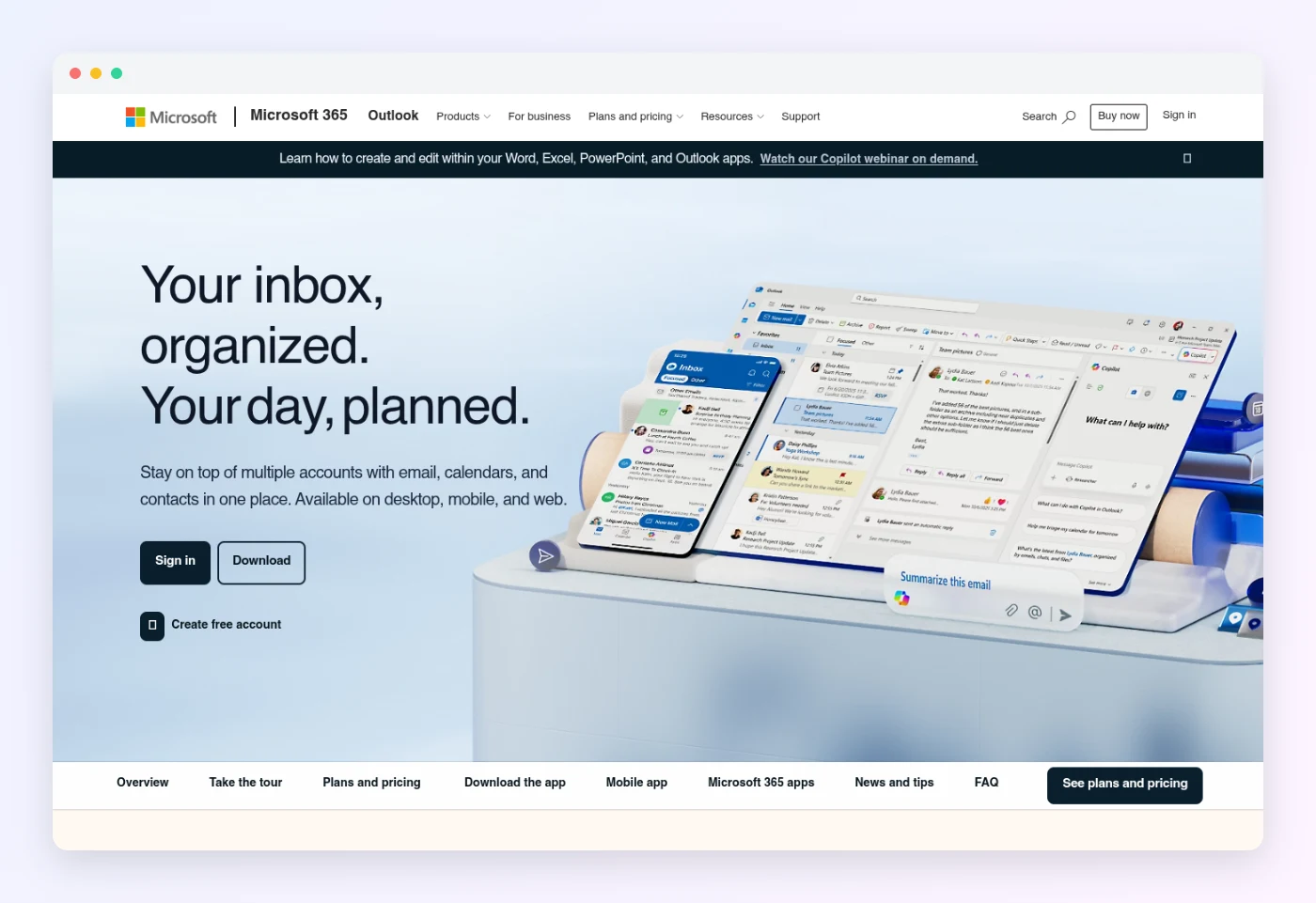
Outlook is an email client that can be used by both business and personal users. It can help users organize contact lists, schedule meetings and events, and manage tasks.
The app also has a calendar feature that can be useful for organizing projects and deadlines. The app is included in Microsoft 365 and can be accessed on the web or on your desktop.
Besides emails, the program also stores address information, tasks, notes, and reminders. Its item list displays all of these items, allowing you to read them without opening each one.
To plan your day in Outlook, keep your to-dos in Microsoft To Do, which shows up inside Outlook, and drag an email onto your calendar to block time for it. Outlook is free with a Microsoft account, and a Microsoft 365 subscription adds more storage and the desktop Office apps. If you want your Outlook calendar next to tasks from other tools, Planzer.io connects to Outlook Calendar and Outlook Mail.
8. Infinity
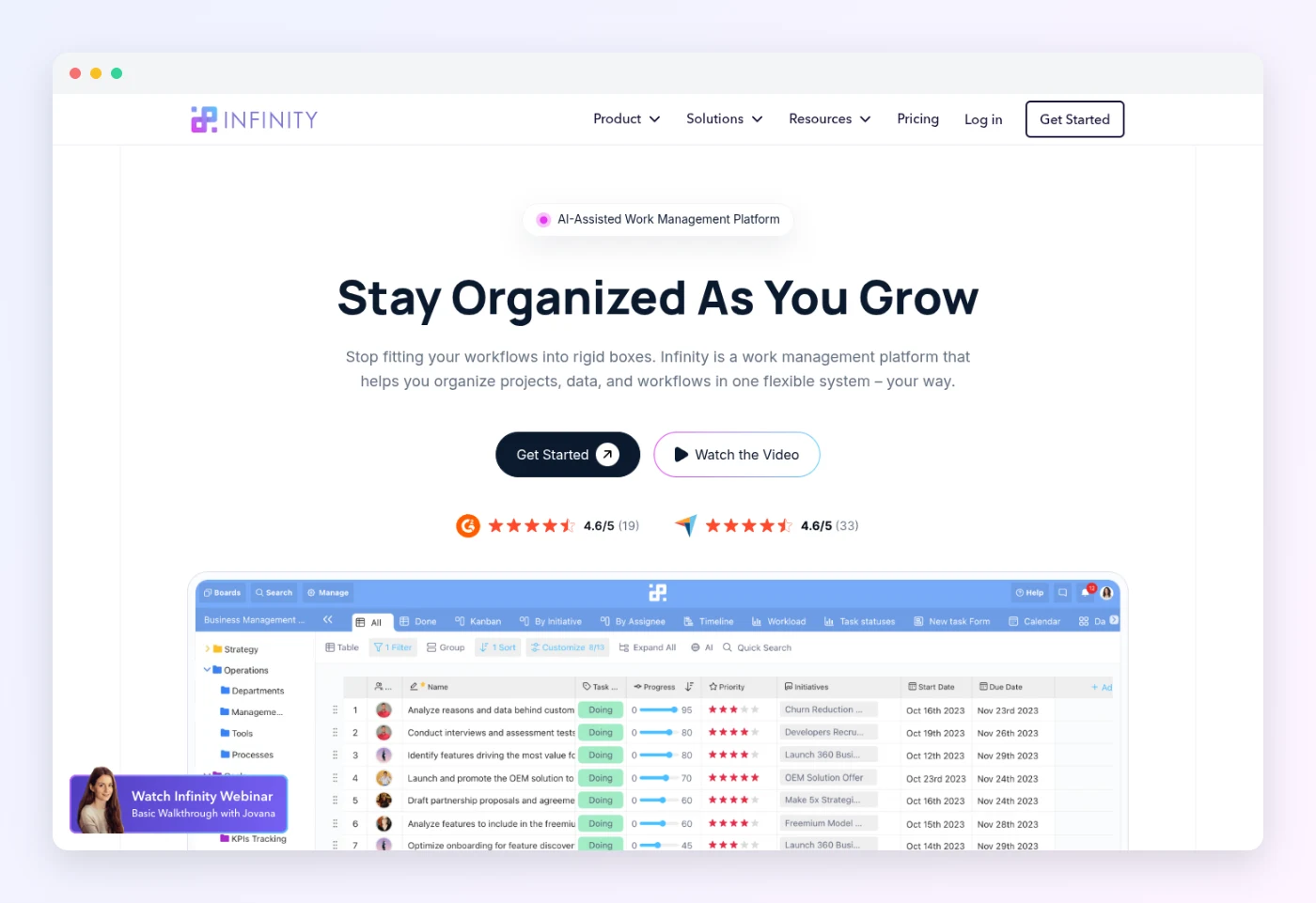
Infinity is a versatile work management app that enables teams to create workflows and collaborate on projects. Its flexible features and customizability make it a great choice for a wide range of businesses. It’s built for teams, so it’s more than most people need for a personal daily plan. There’s no free plan: Basic starts at $6 per user per month billed yearly, with a 14-day money-back guarantee.
Infinity has a number of templates and demo content that allows you to get started with your customizations quickly. It also has a help center, video tutorials and webinars, so you can get help when you need it.
It has multiple view types – Table, List, Calendar, Gantt, Chart, Document & Form – which makes it easy to display information in the format that works best for you. It also offers a customizable structure with four levels of organization: workspaces, boards, folders and items.
You can organize data according to your needs with a number of custom attributes, such as dates, labels, checkboxes, texts, formulas, and more. Infinity also features a built-in form view, which is great for collecting data from your audience.
9. Todoist
Todoist is a popular to-do list app that’s great for capturing tasks quickly. You can type tasks in plain language, like “Pay rent every month on the 1st”, and Todoist turns it into a recurring task with a due date.
You can organize your tasks into projects, add labels and priorities, and use filters to see exactly what matters today. It’s available on the web, desktop and mobile, so your list follows you everywhere. The free Beginner plan includes 5 personal projects, and Pro is $5/month billed yearly, or $7 monthly. If you already keep your to-dos in Todoist, you can also connect it to Planzer.io and schedule those tasks into your day.
Conclusion
What’s important when you choose the daily planner for you is that it fits your need. For me, design is very important, and then functionality comes next. A daily planner is something I look at a lot during the day, so if it’s pleasing to the eyes, then it’s a huge bonus for me.
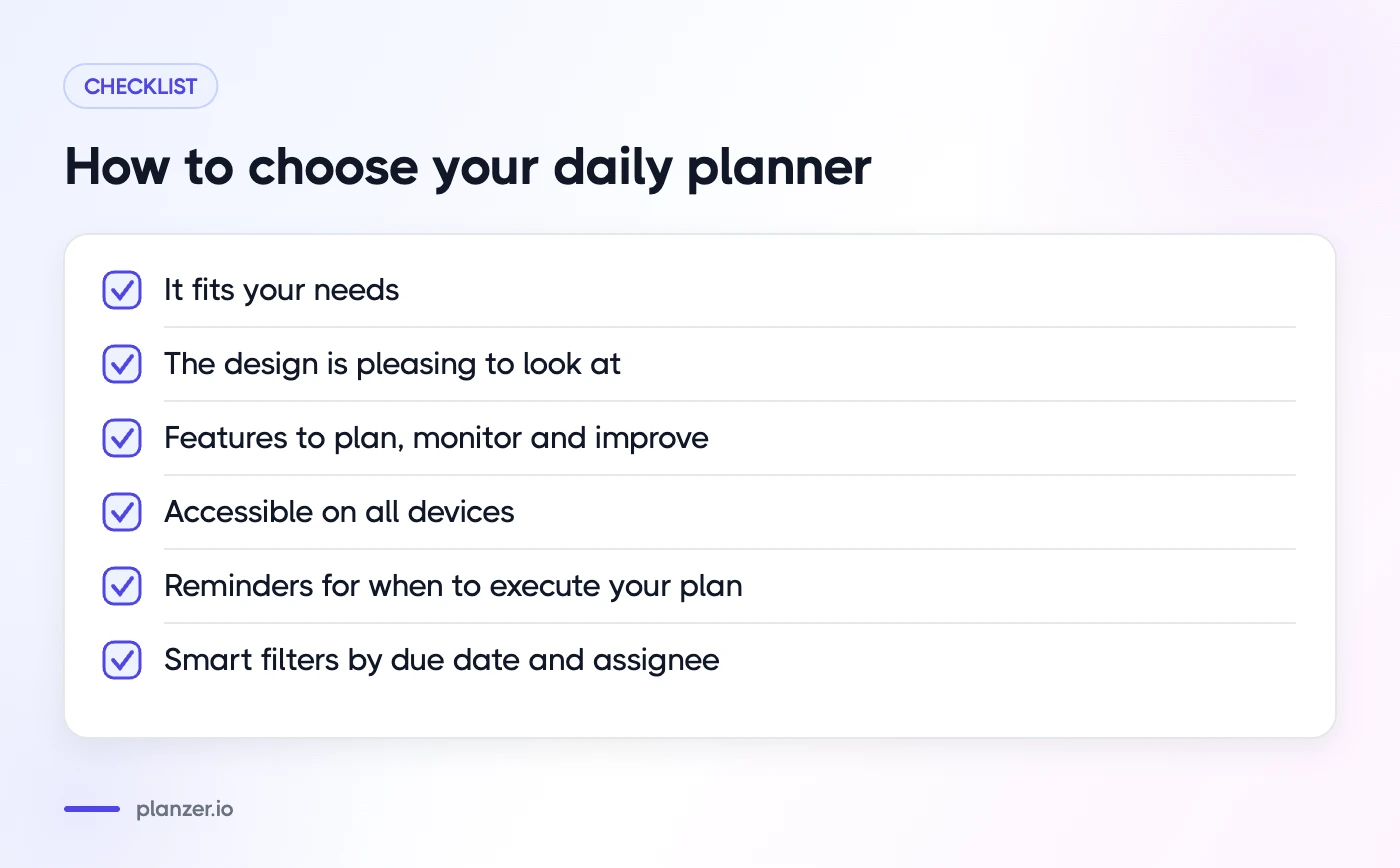
Next, comes features, does it have all the necessary features to help me plan, monitor and improve my daily planning? And is it accessible on all devices? For a more detailed comparison, see our guide to the best daily planner apps.
Prices checked in October 2026.